After take-off, I eagerly extracted the romance novel from the seatback pocket. A friend, who’d loved the book, had loaned it to me and I’d saved the novel for the 4+ hour flight to Perth. The endorsements on the front cover looked promising: “arguably the best romantic writer in Australia”; “the feelgood read of the year”.
My colleague in the window seat to my left, and the passenger in the aisle seat to my right, both streamed the airline’s in-flight entertainment to their personal devices. I, on the other hand, had a paperback novel in my hands. And I was ready to be entertained by a light-hearted romantic comedy. There was only one drawback.
As I read the novel, I found I could not fully enter the story’s world. Upon reflection, I realised this was because I’d unwittingly become a writer-reader rather than a reader-reader. I’d flipped, crossed over, gone to the other side. Whatever you choose to call it, I was disappointed. My brain, which evidently has a mind of its own, was choosing to focus on how the story’s construction could be improved. If the author had only revealed a story action in a different way, the story would be better, thought I.
I guess this particular novelist, at least when it comes to her novel in question, doesn’t fall into the category of a writer’s writer. There are various takes on what it means to be a writer’s writer, as outlined in this Literary Hub article. For me, a writer’s writer is someone whose writing I admire: an author who skilfully unfolds a story and arranges words in formations that sing. My list of writer’s writers includes acclaimed Australian authors: Geraldine Brooks, Hannah Kent, Tim Winton and Trent Dalton.
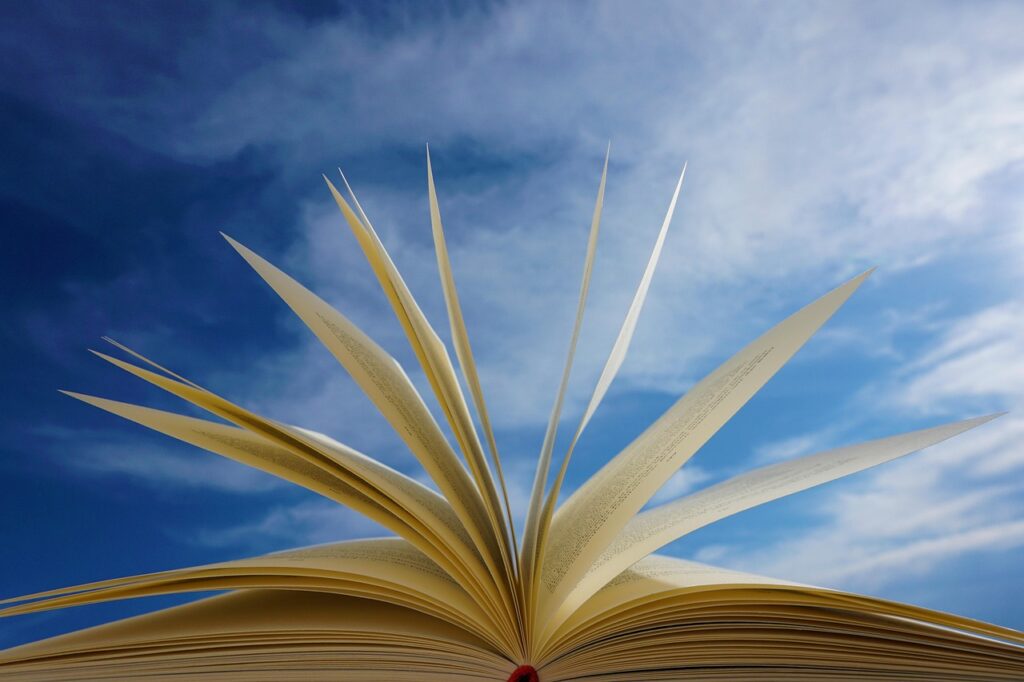
Whether you read like a reader-reader or a writer-reader, here’s to reading. Reading for pleasure is a great form of escapism and relaxation and is known to increase one’s sense of wellbeing. Reading has even been recommended to alleviate depression, a treatment known as bibliotherapy. There are many benefits to choosing a book over doom-scrolling.
Happy reading and writing.
Written by Gemma Franks
Image by Michaela from Pixabay
